
Debt collection can be stressful, especially when collectors use aggressive tactics that go beyond what the law allows. While creditors have the right to pursue legitimate debts, consumers are also protected by federal and state laws designed to prevent harassment, intimidation, and deceptive collection practices. When these protections are violated, seeking guidance from a Massachusetts debt collection lawyer can help consumers understand their legal rights and available remedies.
Many people are unaware that debt collectors must follow strict regulations when attempting to recover debts. Repeated phone calls, threats, misleading statements, and communication with third parties may constitute unlawful collection practices under the Fair Debt Collection Practices Act (FDCPA) and Massachusetts consumer protection laws. Legal professionals who handle these matters often help consumers stop unlawful communications and pursue compensation when their rights have been violated.
What Is Debt Collection Harassment?
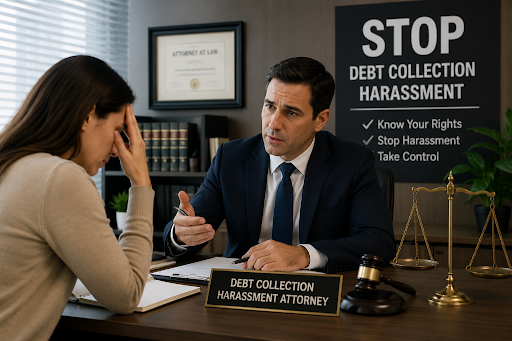
Debt collection harassment occurs when a debt collector uses abusive, deceptive, unfair, or intimidating methods to pressure a consumer into paying a debt.
Examples of prohibited conduct may include:
Repeated phone calls intended to annoy or harass
Threats of arrest or legal action that cannot legally be taken
Use of obscene or abusive language
Contacting consumers at prohibited times
Misrepresenting the amount owed
Discussing debts with unauthorized third parties
Federal law prohibits debt collectors from engaging in these practices while attempting to collect consumer debts.
Why Debt Collection Complaints Are Common
Consumer protection agencies receive thousands of debt collection complaints every year. These complaints often involve:
Excessive Phone Calls
Some collectors contact consumers multiple times per day, creating significant emotional stress and disruption.
Misleading Information
Consumers sometimes report being given inaccurate information regarding balances, legal consequences, or payment obligations.
Unauthorized Third-Party Contact
Collectors generally cannot disclose debt information to family members, employers, or friends without proper authorization.
Threatening Behavior
Threats of lawsuits, wage garnishment, or arrest may violate consumer protection laws when used improperly.
These situations often lead consumers to consult a Massachusetts debt collection lawyer for assistance in understanding and enforcing their rights.
Understanding Your Rights Under the FDCPA
The Fair Debt Collection Practices Act provides several important protections.
Protection From Harassment
Collectors may not engage in conduct intended to harass, oppress, or abuse consumers.
Time Restrictions
Debt collectors generally cannot contact consumers before 8 a.m. or after 9 p.m. without permission.
Debt Verification Rights
Consumers may request verification of a debt, and collection efforts may be limited until verification is provided.
Right to Request Communication Limits
Individuals can request that collectors cease certain communications, helping reduce unwanted contact.
These protections help create a fairer balance between legitimate debt collection and consumer rights.
When Should You Contact a Massachusetts Debt Collection Lawyer?
Not every collection effort is unlawful. However, legal assistance may be valuable when:
Collectors repeatedly violate communication rules
False information is being reported
Harassment continues despite requests to stop
You are being sued over a debt
A collector threatens actions they cannot legally take
Identity theft or mistaken identity is involved
A Massachusetts debt collection lawyer can evaluate the facts of a situation and explain what legal protections may apply.
Common Debt Collection Disputes
Disputed Debts
Consumers sometimes receive collection notices for debts they do not recognize or believe are inaccurate.
Identity Theft Cases
Fraudulent accounts can result in collection efforts directed toward innocent consumers.
Incorrect Credit Reporting
Collection accounts reported incorrectly may negatively impact credit scores and financial opportunities.
Expired Debts
In some situations, collection agencies attempt to pursue debts that are beyond the applicable statute of limitations.
Addressing these issues often requires careful review of financial records, credit reports, and collection communications.
The Importance of Documentation
Consumers who believe they are experiencing unlawful collection practices should keep detailed records.
Helpful documentation includes:
Call logs
Voicemails
Text messages
Collection letters
Emails
Credit reports
Payment records
Proper documentation can help establish patterns of misconduct and support potential legal claims.
How Legal Representation Can Help
Legal professionals handling debt collection matters often assist with:
Reviewing Collection Activity
Attorneys can determine whether collectors have violated federal or state laws.
Sending Formal Notices
Legal notices may require collectors to comply with applicable communication restrictions.
Negotiating Resolutions
Some disputes can be resolved through direct communication and negotiation.
Filing Legal Claims
When violations occur, consumers may be entitled to statutory damages, actual damages, attorney fees, and court costs under certain circumstances.
The Emotional Impact of Debt Harassment
Debt collection harassment can affect more than finances. Studies examining debt-related legal actions have highlighted the significant stress and hardship consumers may experience when facing collection activity and legal proceedings.
Common consequences include:
Anxiety
Sleep disturbances
Reduced workplace productivity
Emotional distress
Financial insecurity
Recognizing these impacts is important when evaluating the full consequences of unlawful debt collection practices.
Preventing Future Debt Collection Problems
Consumers can reduce future collection issues by:
Reviewing credit reports regularly
Keeping records of payments
Responding promptly to legitimate notices
Monitoring accounts for fraud
Verifying debts before making payments
Conclusion
Debt collectors must follow the law when pursuing consumer debts, and individuals have important rights that protect them from harassment, deception, and unfair treatment. Understanding these protections can help consumers respond appropriately when collection efforts cross legal boundaries. Working with a Massachusetts debt collection lawyer may provide valuable guidance when disputes arise and help ensure that consumer rights are protected throughout the process. If collection activities become overwhelming or abusive, consulting a debt harassment lawyer can help you understand your options and determine the most effective path toward resolving the situation while protecting your financial well-being. These practices can help identify potential problems before they become more serious.






Write a comment ...