
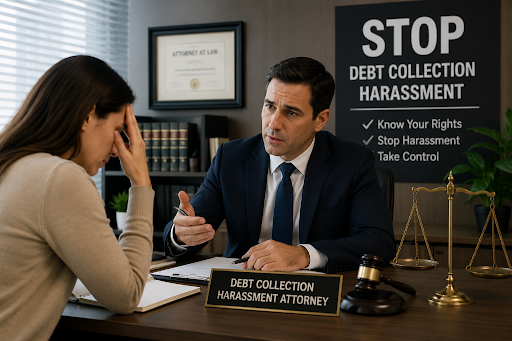
Receiving occasional reminders about an unpaid debt is generally a lawful part of the collection process. However, when debt collectors repeatedly call, threaten legal action they cannot take, use abusive language, or contact your family and workplace, their actions may violate federal consumer protection laws. Understanding your rights and consulting debt harassment attorneys. can help you stop unlawful collection practices and protect your financial and personal well-being.
The Fair Debt Collection Practices Act (FDCPA) was created to protect consumers from abusive, deceptive, and unfair debt collection tactics. While debt collectors have the right to pursue legitimate debts, they must follow strict legal guidelines regarding how and when they communicate with consumers. Experienced debt harassment attorneys help individuals understand these protections, evaluate potential violations, and pursue legal remedies when necessary.
What Is Debt Collection Harassment?
Debt collection harassment occurs when a debt collector uses illegal or abusive methods to pressure someone into paying a debt. Federal law prohibits collectors from engaging in conduct intended to harass, oppress, or abuse consumers during the collection process.
Examples of unlawful conduct include:
Repeated phone calls intended to annoy or intimidate
Threats of violence or arrest
Use of obscene or abusive language
False claims about the amount owed
Threatening lawsuits without legal intent
Contacting consumers at prohibited hours
Discussing debts with unauthorized third parties
Sending deceptive or misleading documents
Recognizing these behaviors is the first step toward protecting your rights.
Signs You Should Contact Debt Harassment Attorneys
Not every collection call violates the law, but certain behaviors should never be ignored.
You may benefit from speaking with debt harassment attorneys if you experience:
Multiple collection calls every day
Threats of wage garnishment without legal authority
Calls before 8:00 a.m. or after 9:00 p.m.
Collection efforts after requesting communications to stop
Disclosure of your debt to friends, family, or coworkers
Attempts to collect debts you do not owe
Continuous harassment despite disputing the debt
Prompt legal advice may help stop unlawful collection activity before it escalates.
Consumer Rights Under the FDCPA
Federal law provides important protections for consumers facing debt collection.
These rights include:
Receiving written validation of the debt
Disputing inaccurate debts
Requesting verification before making payments
Limiting certain communications from collectors
Protection from abusive or deceptive practices
Taking legal action for FDCPA violations
Understanding these rights allows consumers to respond more confidently when contacted by collection agencies.
How Debt Harassment Attorneys Can Help
Experienced debt harassment attorneys review the facts of each case to determine whether debt collectors have violated consumer protection laws.
Legal assistance may include:
Reviewing collection communications
Identifying FDCPA violations
Sending cease communication letters
Gathering evidence
Negotiating with collection agencies
Filing lawsuits when appropriate
Seeking available statutory damages
An experienced debt harassment lawyer may also assist consumers in responding to lawsuits, negotiating settlements, and protecting their legal rights throughout the collection process.
Steps to Take if You Are Being Harassed
If you believe a debt collector is violating the law, consider taking these steps immediately.
Keep Detailed Records
Save phone logs, emails, text messages, letters, and voicemail recordings whenever possible.
Request Debt Validation
Ask the collector to provide written proof that the debt is legitimate and that they have authority to collect it.
Avoid Ignoring Legitimate Debts
Even if harassment occurs, determine whether the debt itself is valid before deciding how to respond.
Report Violations
Consumers may file complaints with appropriate regulatory agencies when debt collectors violate consumer protection laws.
Consult Legal Counsel
A qualified debt collection harassment attorney can evaluate your case and explain whether the collector's conduct violates federal or state law.
Common Misconceptions About Debt Collectors
Many consumers mistakenly believe debt collectors have unlimited authority.
In reality:
They cannot arrest you for unpaid consumer debt.
They cannot threaten legal action they do not intend to pursue.
They cannot repeatedly contact third parties about your debt.
They cannot use abusive or threatening language.
They must comply with federal consumer protection laws.
Knowing these limitations helps consumers recognize unlawful conduct more quickly.
Tips to Protect Yourself
You can reduce the stress of debt collection disputes by following several best practices.
These include:
Keeping organized financial records
Reviewing collection notices carefully
Responding to legitimate correspondence promptly
Monitoring your credit reports
Communicating in writing whenever possible
Documenting every interaction with debt collectors
Good recordkeeping often becomes valuable evidence if legal action becomes necessary.
Why Early Legal Assistance Matters
Debt collection disputes can become increasingly complicated if left unresolved. Seeking legal advice early allows consumers to preserve evidence, understand their legal protections, and respond appropriately to unlawful collection tactics. Legal professionals can also help determine whether collectors have violated the FDCPA or other consumer protection laws while guiding clients through the appropriate legal process. If you believe your rights have been violated, consulting a debt collection harassment attorney can be an important step toward ending unlawful collection practices and safeguarding your consumer rights.
Conclusion
Facing aggressive debt collection practices can be stressful, but consumers have important legal protections under federal law. Working with debt harassment attorneys can help you understand your rights, identify unlawful collection practices, and pursue appropriate legal remedies when necessary. Some firms, including Zemel Law, focus on consumer protection matters involving debt collection harassment, credit reporting disputes, and related legal claims. By documenting communications, responding promptly to legitimate notices, and seeking experienced legal guidance, consumers can better protect themselves while resolving financial disputes.





Write a comment ...